
Why Utah Organizations Choose Sigler
Utah's public affairs landscape is shaped by forces that are unique to the Mountain West: the federal government controls more than 60 percent of the state's land, water rights are existential rather than administrative, and communities in southern Utah are growing faster than the infrastructure to serve them. Navigating this environment requires a firm that understands the Colorado River Compact, the Bureau of Reclamation's permitting process, and the specific political and community dynamics of Utah's counties and cities.
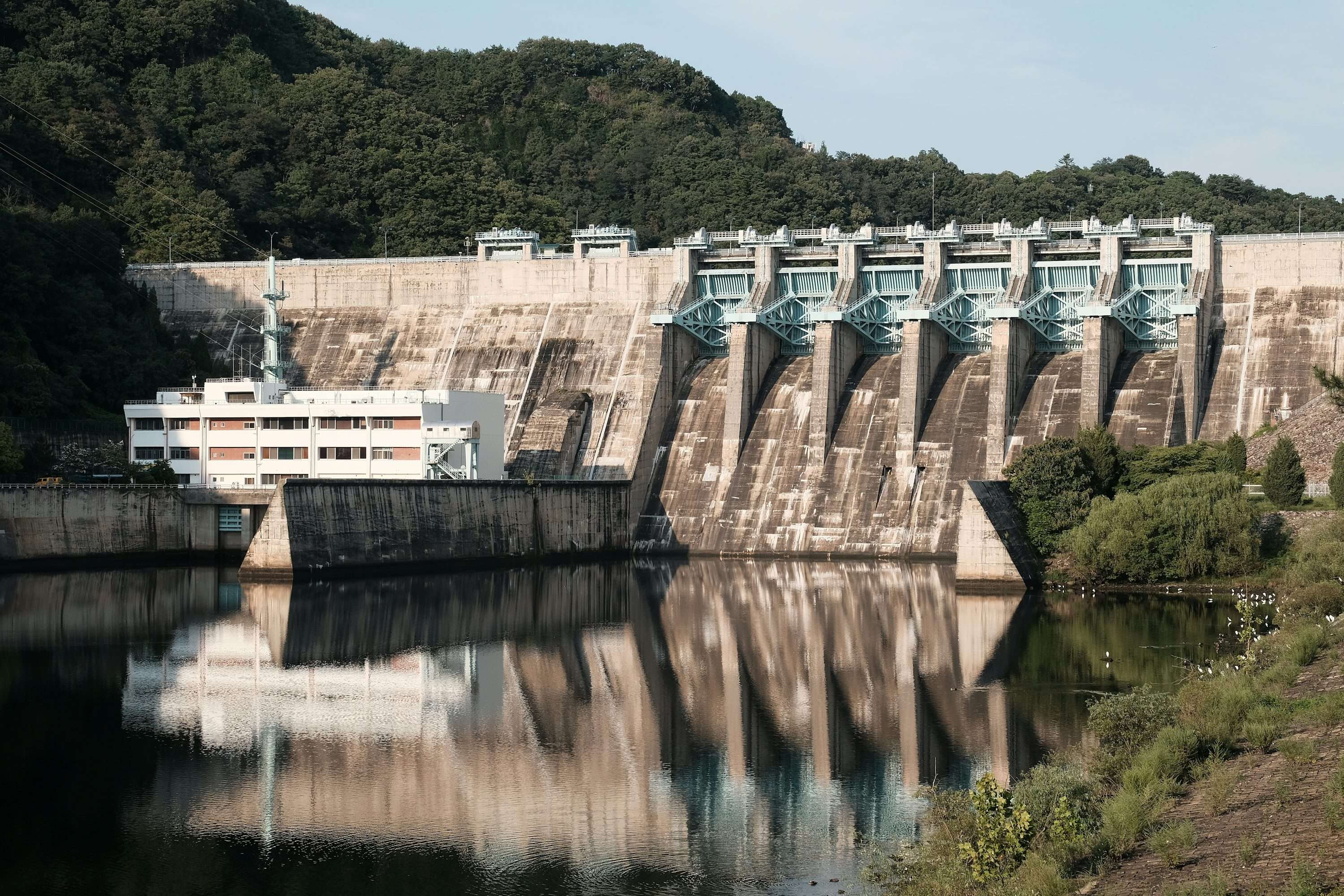
Sigler Communications was retained by the Utah Division of Water Resources and the Washington County Water Conservancy District to develop and execute the public affairs and community support program for the Lake Powell Pipeline — a several-billion-dollar proposed water project that drew intense national opposition from environmental groups and Colorado River compact advocates, while commanding broad support from local communities, elected officials, and business leaders. We built the messaging, the communications infrastructure, and the ally network that generated more than 1,000 support letters to the Bureau of Reclamation during the federal EIS process.
Utah projects that involve water, federal permitting, or environmental controversy require a firm that can translate highly technical policy and hydrology into communications that resonate with diverse audiences — from St. George city councils to federal agency staff to national media. That is work we have done here, not work we are proposing to do.
Industries We Serve
What We Do
We offer the full range of strategic communications and public affairs services, with particular depth in the water infrastructure, environmental, and government affairs sectors that define Utah's most complex public affairs challenges.
Water Infrastructure Public Affairs
Utah's water future is the defining public policy issue of the next generation. We help water agencies and utilities build the community understanding and political support that major water projects require — from local stakeholder engagement to federal EIS support.
Federal Permitting Communications
Projects in Utah frequently require Bureau of Reclamation, BLM, or Army Corps of Engineers approval. We help clients communicate effectively through federal environmental review processes, building the public record that supports permitting.
Crisis & Issues Management
When a project or organization faces organized opposition, a regulatory challenge, or a media investigation, we provide immediate strategic counsel and communications support. We have managed situations where the opposition was well-funded, well-organized, and nationally connected.
Stakeholder & Community Engagement
We build the ally networks and community relationships that determine whether projects advance. Our Lake Powell Pipeline work demonstrates what sustained, strategic community engagement looks like at scale.
Environmental Communications
Environmental issues in Utah carry federal dimensions that most states do not face. We help clients communicate credibly on environmental issues with state agencies, federal regulators, and the environmental advocacy community.
Media Relations
We know the Utah media market — the Salt Lake Tribune, Deseret News, KSL, and the national outlets that cover Western water and public lands — and we know how to communicate effectively with each of them.
Selected Work
Our Utah work is grounded in real projects with real stakes. The Lake Powell Pipeline engagement is the most prominent example of the kind of complex, high-profile public affairs work we do in the state.
Water Infrastructure · Public Affairs
Lake Powell Pipeline — Public Affairs & Community Support
Strategic public affairs and community support for one of the most controversial proposed water infrastructure projects in the American West — generating more than 1,000 support letters to the Bureau of Reclamation during the federal EIS process.
Water Infrastructure
Southern Delivery System
Public affairs and stakeholder engagement for a major water delivery project serving the Pikes Peak region — the same type of large-scale water infrastructure communications we bring to Utah clients.
Frequently Asked Questions
What public affairs and PR services does Sigler provide in Utah?
Our Utah work is concentrated in water infrastructure public affairs, federal permitting communications, crisis and issues management, stakeholder and community engagement, environmental communications, and media relations. We have direct experience with the Bureau of Reclamation's EIS process, Utah's water policy landscape, and the specific community dynamics of southern Utah and the Wasatch Front.
Does Sigler have experience with Utah water infrastructure projects?
Yes — and not in the abstract. We were retained by the Utah Division of Water Resources and the Washington County Water Conservancy District to lead the public affairs and community support program for the Lake Powell Pipeline. That work involved building a statewide ally network, developing messaging for technically complex water policy issues, and generating more than 1,000 support letters to the Bureau of Reclamation during the federal EIS. It is the kind of sustained, high-stakes public affairs engagement that Utah water projects require.
Can Sigler help with federal permitting communications in Utah?
Federal permitting is a central challenge for Utah projects because so much of the state's land is federally managed. We help clients communicate effectively through Bureau of Reclamation, BLM, and Army Corps of Engineers review processes — building the public record, managing comment periods, and developing the community support that strengthens a project's permitting position.
Does Sigler handle crisis communications for Utah organizations?
Crisis and issues management is one of our core practices. Utah projects that face organized opposition — particularly those involving water, federal land, or environmental issues — require a firm that has managed situations where the opposition is well-funded, nationally connected, and experienced at using media and regulatory processes to delay or block projects. That is experience we have.
How does Sigler approach communications in Utah's political and cultural environment?
Utah has a distinctive political culture — deeply community-oriented, skeptical of federal overreach, and organized around local institutions like chambers of commerce, water conservancy districts, and county governments. Effective public affairs in Utah means working through those institutions, not around them. We build the ally networks and community relationships that give projects legitimacy in the eyes of the audiences that matter most.
Let's Talk About Your Utah Project.
Utah's public affairs challenges — water, growth, federal permitting, environmental controversy — require a firm that has done this work here. Let's talk about what your situation requires.
Start a ConversationReady to start a conversation?
Contact Us