
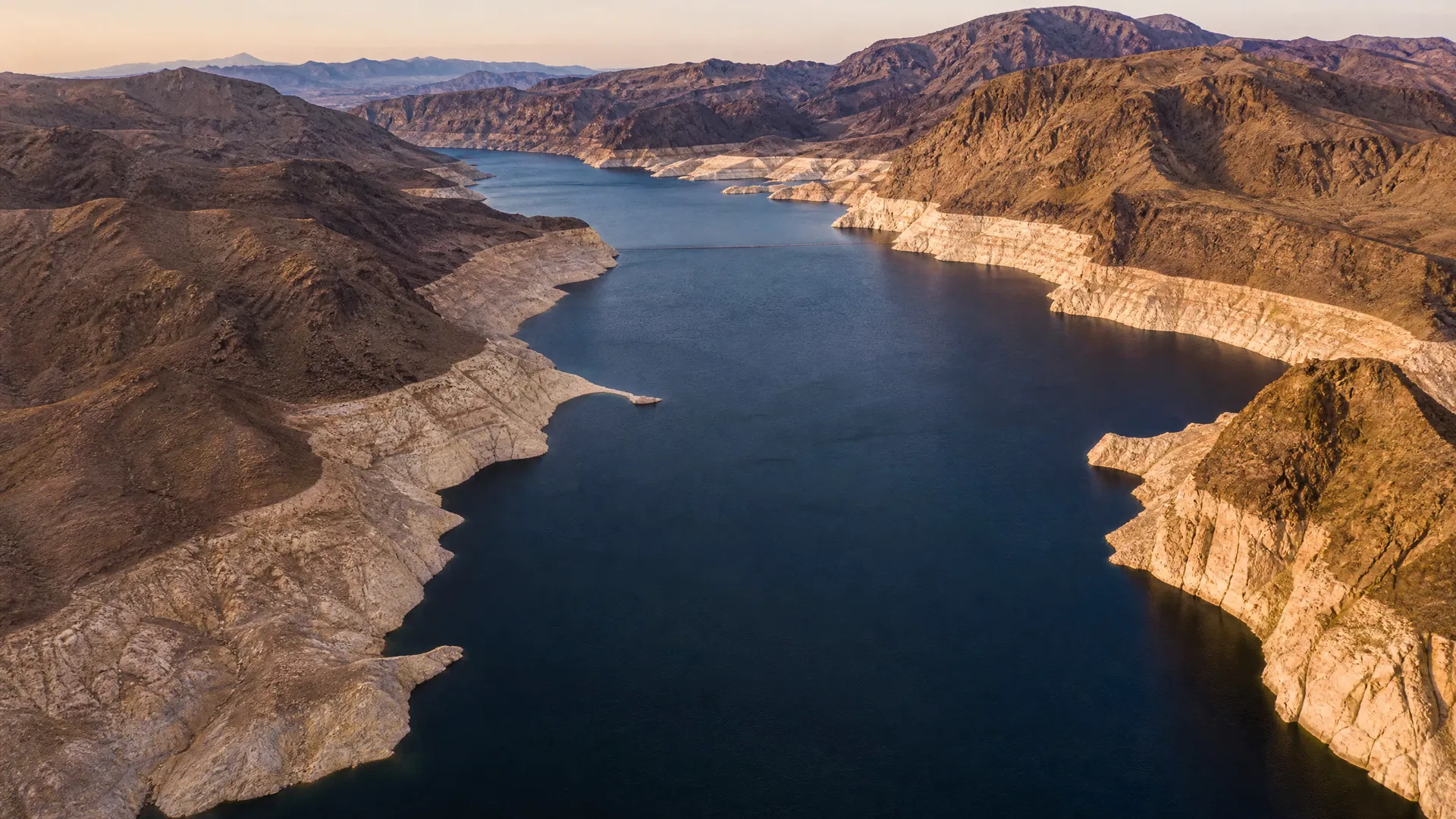
A new study from Stanford University landed in the national press this week with a headline that will land differently in a utility boardroom than it does on a kitchen table: water bills could double in some American cities over the next two decades.
The study, published July 8 in Nature Sustainability, is careful and credible. Researchers analyzed Santa Cruz, California — a coastal city that relies almost entirely on local surface water and a single reservoir — and found that under drier climate scenarios, the median monthly water bill for the city's lowest-income residents could rise from roughly $60 to $111. More than five percent of households could end up spending a third of their income on water, forcing trade-offs with food, healthcare, and other necessities.
The mechanism is straightforward, even if the politics are not. Hotter, drier weather increases demand while reducing supply. Utilities respond by investing in expensive alternative infrastructure — desalination, potable water reuse, long-distance transfer systems. Those investments get financed through rate increases. The bill goes up. The household budget gets squeezed. And the utility, which made a responsible long-term investment in reliability, becomes the villain in a story it never got to tell.
This is not a new dynamic. The average cost of tap water in the United States has already risen three times faster than inflation over the past two decades, driven largely by aging infrastructure and deferred maintenance. Climate change is adding a new layer of pressure on top of existing strain — and doing so faster than most utility communications programs were built to handle.
The Affordability Crisis Is Also a Communications Crisis
Stanford co-author Sarah Fletcher put it plainly: "climate adaptation and water affordability are on a collision course." That collision is real. But it is also, in significant part, a communications problem.
Utilities that invest in drought resilience are making the right call for long-term reliability. But if ratepayers don't understand why their bills are going up — if the connection between a new desalination facility and next year's rate increase is never clearly explained — the investment story becomes a grievance story. The utility that built the infrastructure to keep the water running becomes the utility that raised your bill.
We have seen this play out in communities across the West. A capital project gets approved. Construction begins. Rates go up. And the first time most residents hear about any of it is when they open their monthly statement.
The rate increase conversation is one of the hardest in public utilities. It requires trust that was built before the bill arrived — through consistent, plain-language communication about what the utility is investing in, why, and what it would mean for service reliability if those investments weren't made. That trust cannot be manufactured in a press release issued the week the new rates take effect.
What Proactive Looks Like
The utilities that navigate rate cases and capital investment cycles with the least friction are not the ones with the lowest rates. They are the ones with the most informed communities.
That means communicating the investment story before the rate case, not during it. It means explaining the connection between climate projections, infrastructure decisions, and household costs in terms that a ratepayer — not a hydrologist — can evaluate. It means creating accessible channels for community members to ask questions and get real answers, not boilerplate. And it means being honest about trade-offs: reliability costs money, and the alternative to investment is not the status quo.
The Stanford study's lead author, Jennifer Skerker, identified the core tension clearly: "This pits water affordability against reliability, when in reality, we need both." Utilities that communicate that tension honestly — that bring their communities into the conversation about how to navigate it — are far better positioned than those that don't.
The Broader Picture
The study focuses on western cities, and for good reason. The West and Southwest face the most acute water stress, and the infrastructure investments required there are among the most expensive. But the underlying dynamic — aging systems, climate pressure, and rate increases that outpace inflation — is national. Every utility in the country is managing some version of this story.
The communities, regulators, and ratepayers asking hard questions about water costs are not going away. They are getting more organized, more sophisticated, and more vocal. That is not an obstacle. It is a communications challenge — one that is entirely navigable for utilities that approach it with the right strategy and the right team.
If your organization is preparing for a rate case, a capital investment program, or a public conversation about water affordability and climate resilience, we can help. Learn more about our work in water infrastructure.
This post was prompted by a July 12, 2026 USA Today article reporting on a study published in Nature Sustainability by researchers at Stanford University.